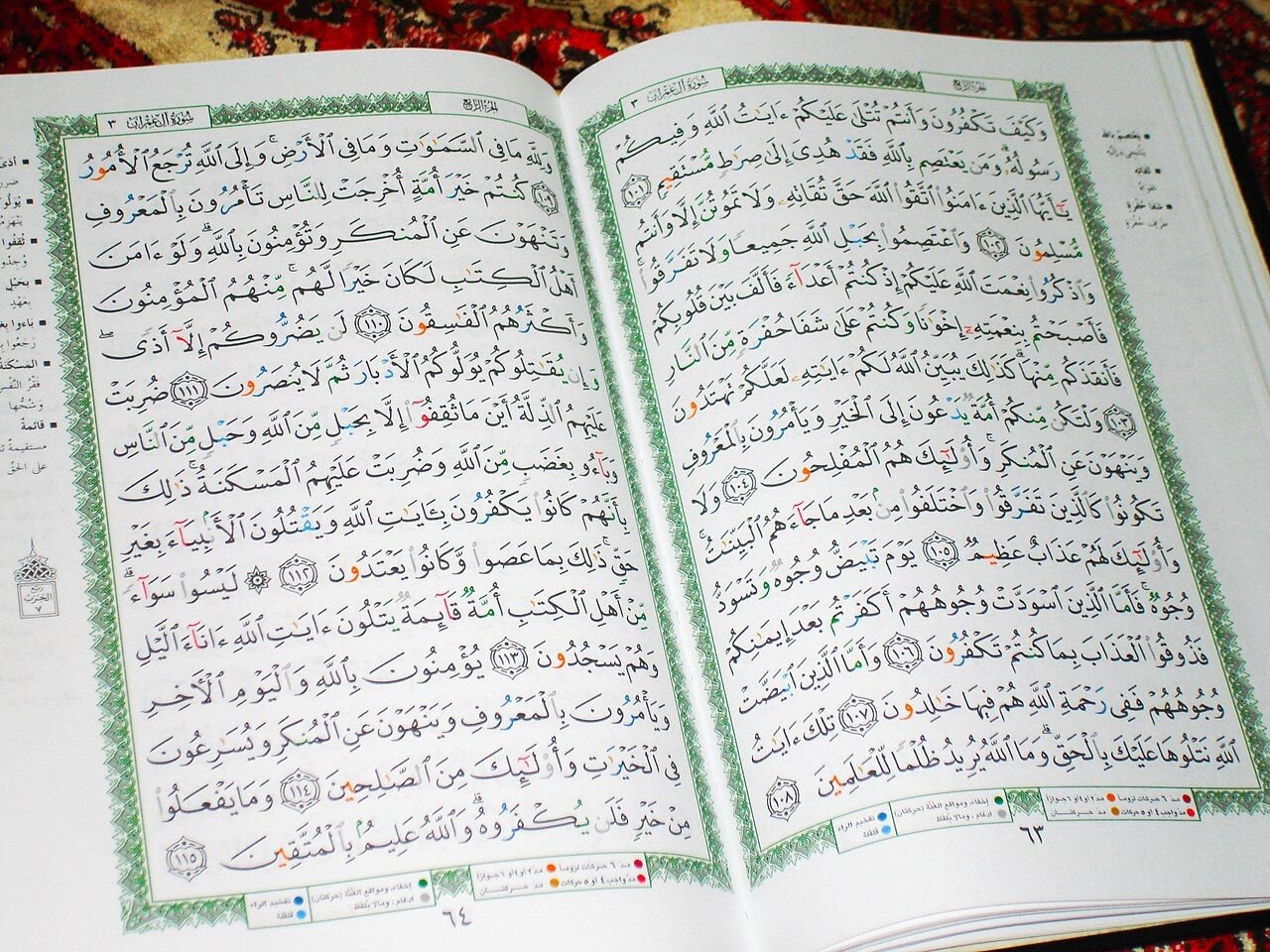
What is Ayatul Kursi?
Ayatul Kursi, often written Ayat al-Kursi, means ‘the Verse of the Kursi’ and refers to Quran 2:255. It is a single, long verse in Surah Al-Baqarah. The title comes from the verse’s mention of Allah’s Kursi extending over the heavens and earth. English translations may render the term as ‘throne’ or ‘seat’, but a short translation cannot settle every theological discussion about the term.
The verse is a concentrated declaration of divine perfection. It begins and ends with Allah, and every clause removes a human limitation: sleep, dependence, ignorance, unauthorized power, effortful preservation and weakness. Reading it well means following this progression, not only recognising its opening words.
What does Ayatul Kursi mean phrase by phrase?
The verse opens with pure monotheism: only Allah is worthy of worship. ‘The Living’ and ‘the Self-subsisting’ affirm perfect life and the One who sustains all else. Neither drowsiness nor sleep reaches Him. Everything in the heavens and earth belongs to Him, and no one intercedes except with His permission.
The middle contrasts divine knowledge with created knowledge: Allah knows what lies before and behind people, while they encompass only what He allows. The Kursi extends over the heavens and earth. Preserving both does not weary Him. The closing names Him the High and the Tremendous. Together, the clauses move from worship to life, ownership, permission, knowledge, dominion, preservation and majesty.
| Movement | Affirmation | Limit it removes |
|---|---|---|
| Opening | Allah alone is worthy of worship | Partners and rival objects of worship |
| Life and sustaining | Perfect life and self-subsistence | Sleep, fatigue and dependence |
| Ownership and permission | All belongs to Him | Independent power or intercession |
| Knowledge | His knowledge surrounds creation | Human claims to complete knowledge |
| Rule and preservation | His Kursi extends over creation | Weakness or strain in preserving it |
What is the context of Quran 2:255?
Ayatul Kursi follows a call in 2:254 to give before a day on which ordinary bargaining, friendship and intercession will not function independently. Verse 255 then explains ultimate ownership and states that intercession occurs only by Allah’s permission. The next verse, 2:256, says there is no compulsion in religion and contrasts guidance with error. Verse 257 describes Allah as the protecting ally of believers who brings them from darkness into light.
This sequence helps prevent an isolated reading. The verse’s language about permission, knowledge and ownership supports the surrounding call to trust Allah, act before judgment and recognise true guidance. Reading 2:254–257 together is a practical way to hear those connections.
Why is Ayatul Kursi called the greatest verse?
In Sahih Muslim 810, the Prophet asks Ubayy ibn Ka‘b which verse in Allah’s Book is greatest. Ubayy answers with the opening of Ayatul Kursi, and the Prophet commends his knowledge. The report establishes the description without requiring us to invent a numerical reward or rank other practices against it.
Its greatness is consistent with its subject: an unusually dense affirmation of Allah’s names, attributes and complete rule. That explanation is a reading of the verse’s content; the hadith itself supplies the authoritative description ‘greatest’.
What authentic benefit is reported for bedtime?
Sahih al-Bukhari 2311 narrates Abu Hurayrah’s encounter with a thief who eventually tells him to recite Ayatul Kursi from beginning to end when going to bed. The report says Allah will appoint a guard and no satan will approach until morning; the Prophet confirms that the speaker told the truth in this instance, though he was a liar.
The detail ‘from beginning to end’ matters: the practice concerns the complete verse. The report supports a bedtime recitation, but it does not support marketing the verse as a guarantee against every hardship or replacing ordinary safety, medical care, repentance or obligatory worship.
How should I read and reflect on Ayatul Kursi?
Read from a verified Arabic text, listen to a careful reciter and use an identified translation for meaning. Move clause by clause. After each statement, ask what it affirms about Allah and what mistaken belief it corrects. This keeps reflection anchored in the wording rather than in free association.
If you recite it at bedtime, make the practice simple: read the whole verse with attention and hope in the promise reported in Bukhari. There is no need to add unsupported counts, objects, diagrams or guaranteed worldly outcomes.
- Read Quran 2:255 once while following the meaning.
- Repeat it phrase by phrase with reliable audio.
- Read 2:254–257 occasionally to retain the immediate context.
- Record questions for a qualified teacher rather than guessing at theological details.
How can I memorise Ayatul Kursi accurately?
Divide the verse by its meaning rather than by equal word counts: oneness and divine life; freedom from sleep and total ownership; intercession by permission; encompassing knowledge; the Kursi and preservation; then the final names. Listen, repeat while looking, cover the text, and recall. Add the next phrase only when the current one is stable.
Most errors happen at transitions, so practise the last few words of one phrase together with the first few of the next. Use spaced review: later the same day, the next day, after three days and weekly. Recite to someone competent when possible, because silent familiarity can hide pronunciation and joining errors.
Which popular claims need caution?
Authentic sources cited here support two clear claims: Ayatul Kursi is the Quran’s greatest verse, and its complete bedtime recitation is connected with protection until morning. Other practices may be supported by reports that require their own hadith assessment. Do not combine every circulating poster into one undifferentiated list of ‘guaranteed benefits’.
Recitation is worship and supplication is dependence on Allah. Treating written or spoken words as an independent mechanism conflicts with the verse’s own insistence that all authority, knowledge and preservation belong to Allah.
Quran passages in this guide
Read each complete verse below in Arabic and the identified English interpretation. Follow the context link before drawing conclusions from an isolated verse.
Al-Baqara 2:254. Immediate preceding context: spending and the Day of Judgment.
يَـٰٓأَيُّهَا ٱلَّذِينَ ءَامَنُوٓا۟ أَنفِقُوا۟ مِمَّا رَزَقْنَـٰكُم مِّن قَبْلِ أَن يَأْتِىَ يَوْمٌ لَّا بَيْعٌ فِيهِ وَلَا خُلَّةٌ وَلَا شَفَـٰعَةٌ ۗ وَٱلْكَـٰفِرُونَ هُمُ ٱلظَّـٰلِمُونَ ٢٥٤
O you who have believed, spend from that which We have provided for you before there comes a Day in which there is no exchange and no friendship and no intercession. And the disbelievers - they are the wrongdoers.
Translation: Saheeh International · Read in context
Al-Baqara 2:255. The complete Ayatul Kursi, rendered from the verified Quran dataset.
ٱللَّهُ لَآ إِلَـٰهَ إِلَّا هُوَ ٱلْحَىُّ ٱلْقَيُّومُ ۚ لَا تَأْخُذُهُۥ سِنَةٌ وَلَا نَوْمٌ ۚ لَّهُۥ مَا فِى ٱلسَّمَـٰوَٰتِ وَمَا فِى ٱلْأَرْضِ ۗ مَن ذَا ٱلَّذِى يَشْفَعُ عِندَهُۥٓ إِلَّا بِإِذْنِهِۦ ۚ يَعْلَمُ مَا بَيْنَ أَيْدِيهِمْ وَمَا خَلْفَهُمْ ۖ وَلَا يُحِيطُونَ بِشَىْءٍ مِّنْ عِلْمِهِۦٓ إِلَّا بِمَا شَآءَ ۚ وَسِعَ كُرْسِيُّهُ ٱلسَّمَـٰوَٰتِ وَٱلْأَرْضَ ۖ وَلَا يَـُٔودُهُۥ حِفْظُهُمَا ۚ وَهُوَ ٱلْعَلِىُّ ٱلْعَظِيمُ ٢٥٥
Allah - there is no deity except Him, the Ever-Living, the Sustainer of [all] existence. Neither drowsiness overtakes Him nor sleep. To Him belongs whatever is in the heavens and whatever is on the earth. Who is it that can intercede with Him except by His permission? He knows what is [presently] before them and what will be after them, and they encompass not a thing of His knowledge except for what He wills. His Kursi extends over the heavens and the earth, and their preservation tires Him not. And He is the Most High, the Most Great.
Translation: Saheeh International · Read in context
Al-Baqara 2:256. Immediate following context: guidance and no compulsion in religion.
لَآ إِكْرَاهَ فِى ٱلدِّينِ ۖ قَد تَّبَيَّنَ ٱلرُّشْدُ مِنَ ٱلْغَىِّ ۚ فَمَن يَكْفُرْ بِٱلطَّـٰغُوتِ وَيُؤْمِنۢ بِٱللَّهِ فَقَدِ ٱسْتَمْسَكَ بِٱلْعُرْوَةِ ٱلْوُثْقَىٰ لَا ٱنفِصَامَ لَهَا ۗ وَٱللَّهُ سَمِيعٌ عَلِيمٌ ٢٥٦
There shall be no compulsion in [acceptance of] the religion. The right course has become clear from the wrong. So whoever disbelieves in Taghut and believes in Allah has grasped the most trustworthy handhold with no break in it. And Allah is Hearing and Knowing.
Translation: Saheeh International · Read in context
Al-Baqara 2:257. Following context: Allah as protecting ally and the movement from darkness into light.
ٱللَّهُ وَلِىُّ ٱلَّذِينَ ءَامَنُوا۟ يُخْرِجُهُم مِّنَ ٱلظُّلُمَـٰتِ إِلَى ٱلنُّورِ ۖ وَٱلَّذِينَ كَفَرُوٓا۟ أَوْلِيَآؤُهُمُ ٱلطَّـٰغُوتُ يُخْرِجُونَهُم مِّنَ ٱلنُّورِ إِلَى ٱلظُّلُمَـٰتِ ۗ أُو۟لَـٰٓئِكَ أَصْحَـٰبُ ٱلنَّارِ ۖ هُمْ فِيهَا خَـٰلِدُونَ ٢٥٧
Allah is the ally of those who believe. He brings them out from darknesses into the light. And those who disbelieve - their allies are Taghut. They take them out of the light into darknesses. Those are the companions of the Fire; they will abide eternally therein.
Translation: Saheeh International · Read in context
Questions readers often ask
Where is Ayatul Kursi in the Quran?
It is Surah Al-Baqarah, chapter 2, verse 255. It is one complete verse within Al-Baqarah rather than a separate surah or chapter.
When should Ayatul Kursi be read?
It may be recited as Quran at any permissible time. Sahih al-Bukhari 2311 specifically supports reciting the complete verse when going to bed, with protection described until morning.
Does Ayatul Kursi protect you?
Sahih al-Bukhari 2311 reports protection connected to reciting it at bedtime: an appointed guard and no satan approaching until morning. Keep the claim within that wording rather than promising immunity from every danger or hardship.
What does Kursi mean?
The Arabic term occurs in Quran 2:255 and translations vary, often using ‘throne’ or ‘seat’. Detailed theological interpretation belongs with reliable tafsir and qualified teachers; the verse plainly uses it to express the vastness of Allah’s authority over the heavens and earth.
Can I read Ayatul Kursi from a phone before sleep?
The hadith specifies recitation, not a required medium. Reading from a verified phone text can support learning and recitation. If practical questions about ritual state or handling Quran text matter in your situation, ask a qualified scholar in your tradition.
Sources
-
Quran 2:255: Ayatul Kursi Primary text
The complete verse; this guide renders Arabic and the Saheeh International English translation from the verified local corpus.
-
Quran 2:254–257 Primary text
Immediate textual context surrounding Ayatul Kursi.
-
Sahih Muslim 810 Hadith
The report in which Ayatul Kursi is identified as the greatest verse in the Book of Allah.
-
Sahih al-Bukhari 2311 Hadith
The complete bedtime-recitation report and its stated protection until morning.
Qur’an Arabic: Tanzil (CC BY 3.0). English: Saheeh International (via Tanzil).
Pass it on
If this guide helped you, share it with someone it could help too.