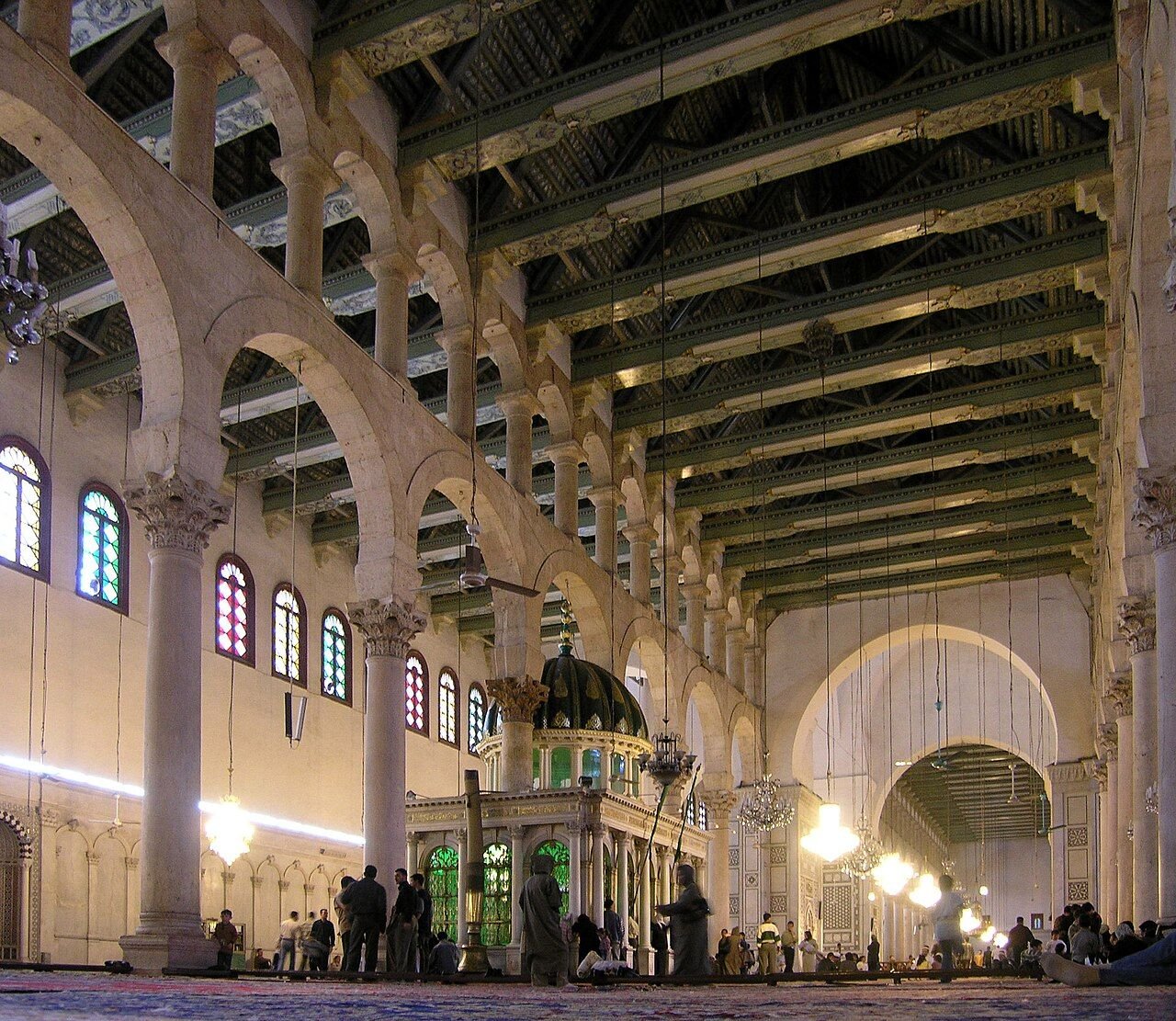
What must be ready before salah begins?
Confirm that the prayer’s time has entered, perform wudu or the applicable form of purification, cover the required parts of the body in clean clothing, choose a clean place, and face the qiblah. Form the intention in the heart for the prayer you are about to perform. Intention identifies the act; it does not depend on announcing a sentence aloud.
This guide assumes you can stand and move safely. Islamic law contains accommodations for illness and disability, including prayer seated or according to ability. Do not force a posture that causes harm. Ask a knowledgeable teacher how the accommodations apply to your condition.
How many obligatory units are in each daily prayer?
The five daily obligatory prayers occur at defined parts of the day. Their obligatory rak’ah counts are stable in ordinary, non-travel circumstances. Sunnah prayers may be offered before or after some of them, but learn the obligatory core first so an optional schedule does not obscure what must be performed.
Use a reliable local timetable because twilight calculations and extreme-latitude conditions need local expertise. The prayer name tells you which obligation you intend; the clock does not replace checking whether its time has actually begun.
| Prayer | Ordinary obligatory rak’ahs | General time window |
|---|---|---|
| Fajr | 2 | True dawn until sunrise |
| Dhuhr | 4 | After solar noon until Asr begins |
| Asr | 4 | Afternoon until sunset; calculation details differ |
| Maghrib | 3 | After sunset until Isha begins |
| Isha | 4 | After twilight until true dawn, with preferred-time details |
How many sunnah rak’ahs go with each prayer?
Alongside the seventeen obligatory rak’ahs, the Prophet regularly prayed voluntary rak’ahs before or after some prayers, often called the sunan rawatib. In Jami at-Tirmidhi 415, graded sahih (Darussalam) on sunnah.com, Umm Habibah reports twelve: four before Dhuhr, two after it, two after Maghrib, two after Isha and two before Fajr.
Ibn Umar, in Sahih al-Bukhari 1180, remembered ten, with two rather than four before Dhuhr, and Aisha reports in Sahih al-Bukhari 1182 that the Prophet never left four before Dhuhr and two before Fajr. Schools count and name these prayers in different ways, and many people pray further voluntary prayers, so ask a teacher which practice your community follows. The obligatory number is the same for everyone.
| Prayer | Obligatory (fard) | Regular sunnah before | Regular sunnah after |
|---|---|---|---|
| Fajr | 2 | 2 | None in these reports |
| Dhuhr | 4 | 4 (Umm Habibah’s report) or 2 (Ibn Umar’s report) | 2 |
| Asr | 4 | None in these reports | None |
| Maghrib | 3 | None in these reports | 2 |
| Isha | 4 | None in these reports | 2, followed by the witr prayer |
How do you pray the first rak’ah?
Stand facing the qiblah and intend the prayer. Enter it with the opening takbir. Place the hands according to the practice you have learned and recite Al-Fatihah. An opening supplication and another Qur’anic passage after Al-Fatihah belong to the fuller common Sunni sequence; learn which elements are required and which are supplementary in the school you follow.
Then say the transition takbir and bow, settling until the back and limbs are composed. Rise fully to standing and say the prescribed praise. Move into prostration, placing the forehead and nose, hands, knees, and toes appropriately. Sit calmly, then make the second prostration. This completes one rak’ah. The hadith of the person who prayed poorly makes calmness in bowing, standing, prostration, and sitting central rather than decorative.
- Stand, intend the specific prayer, and enter with the opening takbir.
- Recite Al-Fatihah, adding the opening supplication and another passage where applicable in the method you follow.
- Bow and become still.
- Return to a fully upright position and become still.
- Prostrate with the recognized contact points and become still.
- Sit calmly between prostrations.
- Make the second prostration, then rise for the next rak’ah.
What happens in the second rak’ah?
Repeat the standing recitation, bowing, upright pause, and two prostrations. After the second prostration, sit for the testimony. In a two-rak’ah prayer, this is the final sitting: add the prayer for the Prophet and any taught supplication, then end the prayer with taslim. In a three- or four-rak’ah prayer, the second-rak’ah sitting is followed by standing for the remaining unit or units.
Do not rush the transition because you are remembering the next words. Learn the prayer as a map of postures first, then attach each recitation to its place. This reduces the common beginner problem of knowing phrases but losing track of the rak’ah.
How do you complete three- and four-rak’ah prayers?
For Maghrib, stand after the first sitting and perform one more rak’ah. For Dhuhr, Asr, and Isha, perform two more. In the common obligatory-prayer sequence, the third and fourth rak’ahs contain Al-Fatihah without the additional passage. After the final rak’ah’s second prostration, sit for the full final testimony and prayer for the Prophet, then finish with taslim.
Taslim closes the prayer, so do not resume ordinary speech or movement before it. If you become unsure about the rak’ah count or omit an action, the rules of corrective prostration differ with the kind of mistake and school. Finish according to what you know, then ask for instruction rather than inventing a repair.
What does a beginner need to memorize?
Prioritize the opening takbir, Al-Fatihah, the brief remembrances for bowing and prostration, the words used when rising, the testimony, the prayer for the Prophet, and taslim. Learn directly from a teacher or a carefully recorded recitation so pronunciation is heard, not guessed from English spelling. This page intentionally does not reproduce Qur’anic text; use the verified Qur’an reader for the complete surah.
A new Muslim who cannot yet recite Al-Fatihah should seek prompt personal teaching about the temporary substitute recognized in their situation. Do not postpone prayer for weeks while waiting for perfect pronunciation. Practice in short daily sessions, one line at a time, and let accuracy grow alongside consistent prayer.
Why do Muslims sometimes pray with different movements?
Recognized Sunni schools differ on several transmitted details: where the hands rest while standing, when they are raised, whether the basmalah is audible, how the index finger moves in the sitting, aspects of foot placement, and whether a follower recites Al-Fatihah behind an imam in an audible prayer. These differences do not change the shared architecture of standing, recitation, bowing, rising, prostration, and sitting.
Learn one coherent method from a qualified teacher, while recognizing other established methods. Do not correct another worshipper merely because their movement differs from your lesson. If a question concerns validity rather than preference, identify your school and ask someone trained in it.
How can you learn salah without becoming overwhelmed?
First memorize the posture map using a two-rak’ah practice: stand, bow, stand, prostrate, sit, prostrate; repeat; final sitting; taslim. Next learn which recitation belongs in each posture. Finally add the different rak’ah counts. Practice beside an experienced person who can correct you gently and privately.
Use a prayer tracker only to build regularity, not to turn worship into a score. Prepare five minutes early, silence distractions, and leave enough time for calm pauses. If you miss a prayer, face the issue promptly and ask how to make it up under the legal teaching you follow; shame-driven delay usually makes consistency harder.
Quran passages in this guide
Read each complete verse below in Arabic and the identified English interpretation. Follow the context link before drawing conclusions from an isolated verse.
An-Nisaa 4:103. Prayer is prescribed at appointed times.
فَإِذَا قَضَيْتُمُ ٱلصَّلَوٰةَ فَٱذْكُرُوا۟ ٱللَّهَ قِيَـٰمًا وَقُعُودًا وَعَلَىٰ جُنُوبِكُمْ ۚ فَإِذَا ٱطْمَأْنَنتُمْ فَأَقِيمُوا۟ ٱلصَّلَوٰةَ ۚ إِنَّ ٱلصَّلَوٰةَ كَانَتْ عَلَى ٱلْمُؤْمِنِينَ كِتَـٰبًا مَّوْقُوتًا ١٠٣
And when you have completed the prayer, remember Allah standing, sitting, or [lying] on your sides. But when you become secure, re-establish [regular] prayer. Indeed, prayer has been decreed upon the believers a decree of specified times.
Translation: Saheeh International · Read in context
Al-Baqara 2:144. Reference for facing toward the Sacred Mosque as qiblah.
قَدْ نَرَىٰ تَقَلُّبَ وَجْهِكَ فِى ٱلسَّمَآءِ ۖ فَلَنُوَلِّيَنَّكَ قِبْلَةً تَرْضَىٰهَا ۚ فَوَلِّ وَجْهَكَ شَطْرَ ٱلْمَسْجِدِ ٱلْحَرَامِ ۚ وَحَيْثُ مَا كُنتُمْ فَوَلُّوا۟ وُجُوهَكُمْ شَطْرَهُۥ ۗ وَإِنَّ ٱلَّذِينَ أُوتُوا۟ ٱلْكِتَـٰبَ لَيَعْلَمُونَ أَنَّهُ ٱلْحَقُّ مِن رَّبِّهِمْ ۗ وَمَا ٱللَّهُ بِغَـٰفِلٍ عَمَّا يَعْمَلُونَ ١٤٤
We have certainly seen the turning of your face, [O Muhammad], toward the heaven, and We will surely turn you to a qiblah with which you will be pleased. So turn your face toward al-Masjid al-Haram. And wherever you [believers] are, turn your faces toward it [in prayer]. Indeed, those who have been given the Scripture well know that it is the truth from their Lord. And Allah is not unaware of what they do.
Translation: Saheeh International · Read in context
Al-Faatiha 1:1. Beginning of the complete Al-Fatihah reading for prayer.
بِسْمِ ٱللَّهِ ٱلرَّحْمَـٰنِ ٱلرَّحِيمِ ١
In the name of Allah, the Entirely Merciful, the Especially Merciful.
Translation: Saheeh International · Read in context
Al-Faatiha 1:2. Complete Al-Fatihah reading for prayer.
ٱلْحَمْدُ لِلَّهِ رَبِّ ٱلْعَـٰلَمِينَ ٢
[All] praise is [due] to Allah, Lord of the worlds -
Translation: Saheeh International · Read in context
Al-Faatiha 1:3. Complete Al-Fatihah reading for prayer.
ٱلرَّحْمَـٰنِ ٱلرَّحِيمِ ٣
The Entirely Merciful, the Especially Merciful,
Translation: Saheeh International · Read in context
Al-Faatiha 1:4. Complete Al-Fatihah reading for prayer.
مَـٰلِكِ يَوْمِ ٱلدِّينِ ٤
Sovereign of the Day of Recompense.
Translation: Saheeh International · Read in context
Al-Faatiha 1:5. Complete Al-Fatihah reading for prayer.
إِيَّاكَ نَعْبُدُ وَإِيَّاكَ نَسْتَعِينُ ٥
It is You we worship and You we ask for help.
Translation: Saheeh International · Read in context
Al-Faatiha 1:6. Complete Al-Fatihah reading for prayer.
ٱهْدِنَا ٱلصِّرَٰطَ ٱلْمُسْتَقِيمَ ٦
Guide us to the straight path -
Translation: Saheeh International · Read in context
Al-Faatiha 1:7. Conclusion of the complete Al-Fatihah reading for prayer.
صِرَٰطَ ٱلَّذِينَ أَنْعَمْتَ عَلَيْهِمْ غَيْرِ ٱلْمَغْضُوبِ عَلَيْهِمْ وَلَا ٱلضَّآلِّينَ ٧
The path of those upon whom You have bestowed favor, not of those who have evoked [Your] anger or of those who are astray.
Translation: Saheeh International · Read in context
Questions readers often ask
Can I pray from a phone or written sheet while learning?
Schools differ about reading from a text or device during prayer and about unnecessary movements. Use audio and a written sheet outside prayer, and ask a teacher for the temporary method accepted in your school. A beginner should not silently invent recitations from memory gaps.
What if I cannot stand, bow, or prostrate?
Pray according to your genuine ability; established accommodations exist for sitting and indicating movements. Because the correct adaptation depends on what you can safely do, obtain case-specific instruction, especially after surgery, with dizziness, or when movement may worsen an injury.
Is my prayer invalid if my pronunciation is imperfect?
A sincere learner should keep improving and seek correction, but should not abandon prayer while learning. Errors differ in significance, particularly in Al-Fatihah, so ask a qualified teacher to listen rather than diagnosing validity from transliteration alone.
Should I recite aloud or silently?
In the common pattern, Fajr is audible, as are the first two rak’ahs of Maghrib and Isha; Dhuhr and Asr are quiet, and later rak’ahs are quiet. The follower behind an imam and the meaning of audible versus quiet have school-specific details.
What should I do if I lose count of rak’ahs?
Rules distinguish certainty from doubt and occasional confusion from recurring misgivings, and they prescribe corrective prostration in particular cases. Do not create your own extra rak’ah as a universal fix. Learn the procedure from a teacher in your school and ignore compulsive doubts once a sound rule has been applied.
How many rak’ahs are in Isha, including the sunnah?
Isha has four obligatory rak’ahs. The regular sunnah after it is two rak’ahs, as in Jami at-Tirmidhi 415 and Sahih al-Bukhari 1180, and the witr prayer is usually prayed at the end of the night’s prayers, so many people pray four, then two, then witr. The witr guide explains its rak’ahs and school differences.
Sources
-
Qur’an 4:103 Primary text
Verify the Qur’anic basis for prayer at appointed times.
-
Sahih al-Bukhari 631 Primary text
The instruction to pray as the Prophet was observed praying.
-
Sahih al-Bukhari 793 Primary text
The teaching narration emphasizing the prayer’s main postures and calmness in each.
-
Sahih al-Bukhari 756 Primary text
Primary hadith reference on reciting Al-Fatihah in prayer; follower details are treated differently among schools.
-
Sahih al-Bukhari 812 Primary text
Names the bodily contact points in prostration.
-
Sahih al-Bukhari 1232 Primary text
Addresses uncertainty about how many rak’ahs were prayed and prescribes two prostrations of forgetfulness.
-
Sunan an-Nasa’i 1023 Primary text
A report summarizing transitions, takbirs, rising, and continuation after the sitting.
-
Jami at-Tirmidhi 415 Primary text
Umm Habibah’s report of twelve regular sunnah rak’ahs in a day and night; graded sahih (Darussalam) on the page.
-
Sahih al-Bukhari 1180 Primary text
Ibn Umar remembered ten voluntary rak’ahs: two before and after Dhuhr, two after Maghrib and Isha, and two before Fajr.
-
Sahih al-Bukhari 1182 Primary text
Aisha reports that the Prophet never left four rak’ahs before Dhuhr and two before Fajr.
-
Egypt’s Dar al-Ifta: How to Perform Prayer (Salah) Scholarly guidance
Institutional illustrated teaching sequence for the daily prayers; some presented details reflect particular juristic choices.
-
Egypt’s Dar al-Ifta: A New Muslim Unable to Recite Al-Fatihah Scholarly guidance
Guidance for a beginner still learning required recitation.
-
Egypt’s Dar al-Ifta: Reading from a Copy of the Quran While Praying Scholarly guidance
Documents juristic discussion of reading from a written Quran during prayer; device use and movement still need school-aware guidance.
-
Egypt’s Dar al-Ifta: Is It Permissible for a Sick Person to Pray While Seated? Scholarly guidance
Institutional guidance on adapting prayer when standing is medically difficult.
Qur’an Arabic: Tanzil (CC BY 3.0). English: Saheeh International (via Tanzil).
Pass it on
If this guide helped you, share it with someone it could help too.