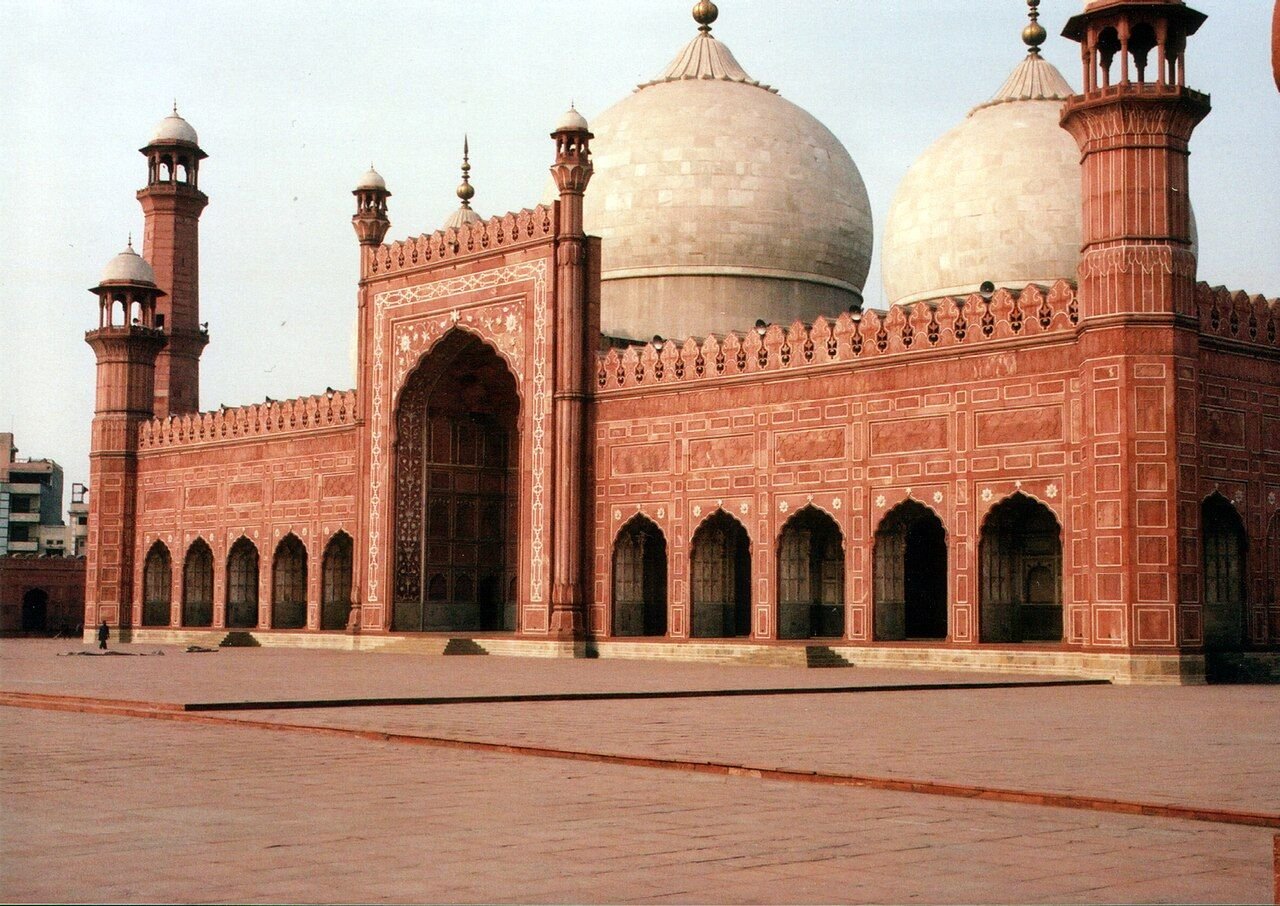
What does Asma ul Husna mean?
Asma ul Husna, more precisely al-asma al-husna, means ‘the most beautiful names’, which is how the Quran itself describes the names of Allah. Quran 7:180 says that the fairest names belong to Allah and tells believers to ‘invoke Him by them’, and Quran 17:110, 20:8 and 59:24 each repeat that His are the most beautiful names.
Asma is the plural of ism, a name, and husna describes what is best and most beautiful; an IslamQA answer explains that each name carries a quality of perfection. Quran 59:22-24 shows this in practice, giving more than a dozen of His names in quick succession.
Scholars also stress that the names come from revelation. A separate IslamQA answer explains that Allah is called only by names found in the Quran and authentic Sunnah, which is one reason scholars discuss which entries in a list are names.
What does the hadith about the 99 names of Allah say?
The Prophet said that Allah has ninety-nine names, one hundred less one, and that whoever enumerates or preserves them will enter Paradise. Abu Hurairah’s report is in Sahih al-Bukhari 2736 and 7392 and in Sahih Muslim 2677a and 2677b, and some narrations add that Allah is single and loves what is odd in number.
The key word is ahsaha, usually translated as enumerates or counts. At the end of 7392 al-Bukhari explains the related word ahsaynahu as hafiznahu, ‘we preserved it’, and other narrations use the verb for preserving directly: Sahih Muslim 2677a reads hafizaha, and Sahih al-Bukhari 6410 reads la yahfazuha ahadun, ‘no one preserves them’ except that he enters Paradise. The English on Sunnah.com renders 6410 interpretively as believing in their meanings and acting accordingly.
Scholars explain this preserving as more than reciting a list. An IslamQA answer describes it as memorising the names, understanding them, acting on what they imply and calling on Allah by them: knowing that He is Ar-Razzaq, the Provider, means not seeking provision from anyone else.
Where does the list of 99 names come from, and is it authentic?
The commonly memorised list comes from Jami at-Tirmidhi 3507, where the names follow the same hadith of Abu Hurairah; Sunnah.com displays its grade as Da’if (Darussalam). At-Tirmidhi called it gharib, known only through Safwan ibn Salih, and said he knew of no other sound chain of this hadith that mentions the names.
Many scholars treat the enumeration as a narrator’s work rather than the Prophet’s words. An IslamQA answer quotes Ibn Hajar, citing Ibn al-Arabi, that the list is more likely a composition of some narrators, and al-San’ani’s statement that scholars agree it was drawn up by some reporters. Sunan Ibn Majah 3861, also Da’if (Darussalam), gives a different list that includes Ar-Rabb, Al-Qarib and Al-Ahad.
This does not make the names doubtful: most are found in the Quran, as the table shows, and the hadith of the ninety-nine names in Sahih al-Bukhari and Sahih Muslim is authentic. Scholars do differ over a few entries; IslamQA notes that some counted Al-Adl, the Just, as a name while others, including Ibn Uthaymin, did not, as no authentic text names Him by it.
Nor is the list complete. An Askimam answer approved by Mufti Ebrahim Desai notes further names found in the Quran and hadith, such as Al-Mawla, Al-Muhit and Al-Mannan. In the Tirmidhi wording, Allah opens the list and ninety-eight names follow, which is how the table reaches ninety-nine.
What are the 99 names of Allah and their meanings?
The table gives all ninety-nine names in the order of Jami at-Tirmidhi 3507, each with a short English meaning and one example of where it appears in the Quran. The list opens with the name Allah, and its next thirteen names, from Ar-Rahman to Al-Musawwir, follow the same order as Quran 59:22-24.
Many names appear in the Quran without ‘al-’, as in ‘Allah is Forgiving, Merciful’, and the table counts these as the name itself. ‘As a verb’ means the Quran describes Allah doing the action, such as raising or giving life, without the noun; ‘related word’ means a closely connected word from the same root; and ‘plural of majesty’ means Allah speaks of Himself as ‘We’.
All 95 Quran references were checked against the Arabic of the verified Tanzil text this site uses: 73 show the name, 15 a verb and 7 a related word, and four names are not in the Quran as names. Meanings were compared with Sunnah.com’s English, al-Sa’di’s commentary and Pickthall’s translation; Al-Majid and Al-Maajid, and Al-Wali and Al-Waali, are spelt differently to keep them apart.
| No. | Name (transliteration) | Meaning | In the Quran |
|---|---|---|---|
| 1 | Allah | The one true God, the only one worthy of worship | Quran 59:22 |
| 2 | Ar-Rahman | The Most Gracious, whose mercy embraces all creation | Quran 59:22 |
| 3 | Ar-Rahim | The Most Merciful, especially to the believers | Quran 59:22 |
| 4 | Al-Malik | The King, the Sovereign | Quran 59:23 |
| 5 | Al-Quddus | The Most Holy, free of every imperfection | Quran 59:23 |
| 6 | As-Salam | Peace, free of every flaw and the giver of safety | Quran 59:23 |
| 7 | Al-Mu’min | The Giver of security and faith | Quran 59:23 |
| 8 | Al-Muhaymin | The Guardian who watches over all | Quran 59:23 |
| 9 | Al-Aziz | The Almighty, never overcome | Quran 59:23 |
| 10 | Al-Jabbar | The Compeller, whose will prevails | Quran 59:23 |
| 11 | Al-Mutakabbir | The Supreme in greatness | Quran 59:23 |
| 12 | Al-Khaliq | The Creator | Quran 59:24 |
| 13 | Al-Bari | The Inventor, who brings into being from nothing | Quran 59:24 |
| 14 | Al-Musawwir | The Fashioner, who gives everything its form | Quran 59:24 |
| 15 | Al-Ghaffar | The Ever-Forgiving, who forgives again and again | Quran 39:5 |
| 16 | Al-Qahhar | The Subduer, who prevails over all | Quran 12:39 |
| 17 | Al-Wahhab | The Bestower of gifts | Quran 3:8 |
| 18 | Ar-Razzaq | The Provider | Quran 51:58 |
| 19 | Al-Fattah | The Opener and Judge | Quran 34:26 |
| 20 | Al-Alim | The All-Knowing | Quran 2:32 |
| 21 | Al-Qabid | The Constrictor, who withholds and takes | As a verb: Quran 2:245 |
| 22 | Al-Basit | The Expander, who gives generously | As a verb: Quran 13:26 |
| 23 | Al-Khafid | The One who lowers | Not in the Quran as a name; from the Tirmidhi list |
| 24 | Ar-Rafi | The One who raises | As a verb: Quran 58:11 |
| 25 | Al-Mu’izz | The One who gives honour | As a verb: Quran 3:26 |
| 26 | Al-Mudhill | The One who abases | As a verb: Quran 3:26 |
| 27 | As-Sami | The All-Hearing | Quran 42:11 |
| 28 | Al-Basir | The All-Seeing | Quran 42:11 |
| 29 | Al-Hakam | The Judge | Quran 6:114 |
| 30 | Al-Adl | The Just | Related word: Quran 6:115 |
| 31 | Al-Latif | The Subtle, the Gentle | Quran 6:103 |
| 32 | Al-Khabir | The All-Aware | Quran 6:103 |
| 33 | Al-Halim | The Forbearing | Quran 2:225 |
| 34 | Al-Azim | The Magnificent | Quran 2:255 |
| 35 | Al-Ghafur | The Oft-Forgiving | Quran 39:53 |
| 36 | Ash-Shakur | The Appreciative, who rewards even small deeds | Quran 64:17 |
| 37 | Al-Ali | The Most High | Quran 2:255 |
| 38 | Al-Kabir | The Most Great | Quran 22:62 |
| 39 | Al-Hafiz | The Preserver, the Guardian | Quran 11:57 |
| 40 | Al-Muqit | The Sustainer, who nourishes and oversees | Quran 4:85 |
| 41 | Al-Hasib | The Reckoner, who suffices | Quran 4:86 |
| 42 | Al-Jalil | The Majestic, the Sublime | Related word: Quran 55:27 |
| 43 | Al-Karim | The Generous | Quran 82:6 |
| 44 | Ar-Raqib | The Watchful | Quran 4:1 |
| 45 | Al-Mujib | The Responsive, who answers prayer | Quran 11:61 |
| 46 | Al-Wasi | The All-Embracing, the Vast | Quran 2:115 |
| 47 | Al-Hakim | The All-Wise | Quran 59:24 |
| 48 | Al-Wadud | The Loving | Quran 85:14 |
| 49 | Al-Majid | The All-Glorious | Quran 11:73 |
| 50 | Al-Ba’ith | The Resurrector, who raises the dead | As a verb: Quran 22:7 |
| 51 | Ash-Shahid | The Witness | Quran 22:17 |
| 52 | Al-Haqq | The Truth | Quran 22:6 |
| 53 | Al-Wakil | The Trustee, the Disposer of affairs | Quran 3:173 |
| 54 | Al-Qawi | The All-Strong | Quran 42:19 |
| 55 | Al-Matin | The Firm, of unbreakable strength | Quran 51:58 |
| 56 | Al-Wali | The Protecting Friend | Quran 42:28 |
| 57 | Al-Hamid | The Praiseworthy | Quran 42:28 |
| 58 | Al-Muhsi | The One who keeps count of all things | As a verb: Quran 72:28 |
| 59 | Al-Mubdi | The Initiator, who begins creation | As a verb: Quran 85:13 |
| 60 | Al-Mu’id | The Restorer, who brings creation back | As a verb: Quran 85:13 |
| 61 | Al-Muhyi | The Giver of life | Quran 30:50 |
| 62 | Al-Mumit | The Bringer of death | As a verb: Quran 57:2 |
| 63 | Al-Hayy | The Ever-Living | Quran 2:255 |
| 64 | Al-Qayyum | The Self-Subsisting Sustainer of all | Quran 2:255 |
| 65 | Al-Wajid | The Finder, who lacks nothing | As a verb: Quran 93:6 |
| 66 | Al-Maajid | The Noble, the Illustrious | Related word: Quran 11:73 |
| 67 | Al-Wahid | The One | Quran 13:16 |
| 68 | As-Samad | The Eternal Refuge, on whom all depend | Quran 112:2 |
| 69 | Al-Qadir | The All-Able | Quran 6:65 |
| 70 | Al-Muqtadir | The All-Powerful | Quran 18:45 |
| 71 | Al-Muqaddim | The One who brings forward | As a verb: Quran 50:28 |
| 72 | Al-Mu’akhkhir | The One who delays | As a verb: Quran 14:42 |
| 73 | Al-Awwal | The First | Quran 57:3 |
| 74 | Al-Akhir | The Last | Quran 57:3 |
| 75 | Az-Zahir | The Manifest | Quran 57:3 |
| 76 | Al-Batin | The Hidden | Quran 57:3 |
| 77 | Al-Waali | The Governor, who manages all affairs | Related word: Quran 13:11 |
| 78 | Al-Muta’ali | The Most Exalted | Quran 13:9 |
| 79 | Al-Barr | The Source of all goodness | Quran 52:28 |
| 80 | At-Tawwab | The Acceptor of repentance | Quran 2:37 |
| 81 | Al-Muntaqim | The Avenger, who requites wrongdoing | Quran 32:22, plural of majesty |
| 82 | Al-Afuww | The Pardoner, who erases sins | Quran 4:149 |
| 83 | Ar-Ra’uf | The Most Kind, full of compassion | Quran 57:9 |
| 84 | Malik al-Mulk | Owner of all sovereignty | Quran 3:26 |
| 85 | Dhul-Jalali wal-Ikram | Possessor of Majesty and Honour | Quran 55:27 |
| 86 | Al-Muqsit | The Equitable, who acts with justice | Related word: Quran 3:18 |
| 87 | Al-Jami | The Gatherer | Quran 3:9 |
| 88 | Al-Ghani | The Self-Sufficient, free of all need | Quran 35:15 |
| 89 | Al-Mughni | The Enricher | As a verb: Quran 53:48 |
| 90 | Al-Mani | The Withholder, who prevents | Not in the Quran as a name; from the Tirmidhi list |
| 91 | Ad-Darr | The One who decrees harm | Related word: Quran 48:11 |
| 92 | An-Nafi | The One who brings benefit | Related word: Quran 48:11 |
| 93 | An-Nur | The Light | Quran 24:35 |
| 94 | Al-Hadi | The Guide | Quran 25:31 |
| 95 | Al-Badi | The Originator, who creates without precedent | Quran 2:117 |
| 96 | Al-Baqi | The Everlasting | As a verb: Quran 55:27 |
| 97 | Al-Warith | The Inheritor, who remains after all | Quran 15:23, plural of majesty |
| 98 | Ar-Rashid | The Guide to the right course | Not in the Quran as a name; from the Tirmidhi list |
| 99 | As-Sabur | The Patient | Not in the Quran as a name; from the Tirmidhi list |
How do you call on Allah by His names in dua?
You call on Allah by His names by addressing Him with a name that suits what you are asking for, as Quran 7:180 instructs: ‘invoke Him by them’. An IslamQA answer quoting Ibn Uthaymin gives the example of saying ‘Ya Ghafur, forgive me’ when asking for forgiveness, rather than calling on Him by a name connected with punishment.
The Prophet’s own supplications follow the same pattern. Each wording below follows the Arabic on its linked Sunnah.com page, where you can check it before learning it.
- Allahumma inni zalamtu nafsi zulman kathiran, wa la yaghfirudh-dhunuba illa ant, faghfir li maghfiratan min ’indik, warhamni, innaka antal-Ghafurur-Rahim. O Allah, I have greatly wronged myself and none forgives sins but You, so grant me forgiveness from You and have mercy on me; You are the Oft-Forgiving, the Most Merciful (taught to Abu Bakr for his prayer, Sahih al-Bukhari 834).
- Allahumma innaka ’Afuwwun Karimun tuhibbul-’afwa fa’fu ’anni. O Allah, You are Pardoning and Generous and You love to pardon, so pardon me (taught to Aishah for Laylat al-Qadr, Jami at-Tirmidhi 3513; Sahih, Darussalam).
- Allahumma antal-Awwalu falaysa qablaka shay’, wa antal-Akhiru falaysa ba’daka shay’, wa antaz-Zahiru falaysa fawqaka shay’, wa antal-Batinu falaysa dunaka shay’. O Allah, You are the First and there is nothing before You, the Last and there is nothing after You, the Manifest and there is nothing above You, and the Hidden and there is nothing beyond You (from a bedtime supplication, Sahih Muslim 2713a).
- Antal-Muqaddimu wa antal-Mu’akhkhiru, wa anta ’ala kulli shay’in qadir. You are the One who brings forward and the One who delays, and You have power over all things (the close of a supplication for forgiveness, Sahih al-Bukhari 6398).
- As’aluka bi-kulli ismin huwa lak, sammayta bihi nafsak, aw anzaltahu fi kitabik, aw ’allamtahu ahadan min khalqik, awista’tharta bihi fi ’ilmil-ghaybi ’indak. I ask You by every name that is Yours, by which You have named Yourself, or sent down in Your Book, or taught to any of Your creation, or kept to Yourself in the knowledge of the unseen with You (from the supplication for anxiety and grief, Hisn al-Muslim 120, which cites Musnad Ahmad and al-Albani’s grading of it as authentic).
Why do the names of Allah often come in pairs?
Many Quranic verses close with two names side by side. Quran 39:53 ends with ‘He is the Forgiving, the Merciful’, Quran 59:24 with ‘the Mighty, the Wise’, Quran 42:11 with ‘the Hearer, the Seer’ and Quran 6:103 with ‘the Subtle, the Aware’. Forgiveness is joined to mercy, and might to wisdom.
The Tirmidhi list also sets contrasting names side by side, such as Al-Qabid and Al-Basit, Al-Mu’izz and Al-Mudhill, Al-Muhyi and Al-Mumit, and Ad-Darr and An-Nafi. In the commentary translated by IslamQA, al-Sa’di explains withholding and expanding as acts of Allah’s wisdom and mercy: no one can withhold what He gives or give what He withholds.
Which names of Allah are used only for Him?
The name Allah belongs to Him alone, and guidance on naming from IslamQA and Darul Uloom Deoband treats Ar-Rahman the same way. Quran 17:110 places the two together, ‘Cry unto Allah, or cry unto the Beneficent’, and an IslamQA answer on the greatest name describes Allah as a name never given to anyone else.
Other names describe qualities that people can have in a limited, created way. Quran 9:128 describes the Prophet as full of pity and merciful towards the believers, using the words behind Ar-Ra’uf and Ar-Rahim, and Quran 12:50 calls the ruler of Egypt the king, al-malik. Quran 42:11 still says that nothing is like Allah.
Some titles are therefore avoided for people. In Sahih al-Bukhari 6205 the Prophet said the most awful name in Allah’s sight is that of a man calling himself Malik al-Amlak, king of kings, and an IslamQA answer on naming children lists al-Khaliq and al-Rahman among names befitting Allah alone.
Can you name a child Abd plus one of Allah’s names?
Many Muslim names join Abd, meaning ‘servant of’, to a name of Allah, and Sahih Muslim 2132 reports the Prophet saying that the names dearest to Allah are Abdullah and Abd al-Rahman. Names such as Abd al-Rahim, Abd al-Karim and Abd al-Malik follow the same pattern and express servanthood to Allah.
A Darul Uloom Deoband answer advises that names exclusive to Allah, such as Rahman, be given in this form, as Abdur Rahman rather than Rahman alone, and the IslamQA answer on naming children places Abdullah and Abd al-Rahman first among good names. For a particular name you are unsure about, ask a qualified scholar.
How can you learn the 99 names of Allah?
Learn the names a few at a time, together with their meanings, and use them in your own supplications. Scholars describe preserving the names as understanding and living by them rather than only memorising a list, so a slower pace that leaves room for reflection serves that aim well.
Start with names you already meet in daily worship: Ar-Rahman and Ar-Rahim in every Bismillah and in Al-Fatihah, the names in Ayat al-Kursi, and the run of names in Quran 59:22-24. Our guide to tawhid explains how the names fit into belief in Allah’s oneness, and a SeekersGuidance answer notes that reciting His beautiful names is praiseworthy in general.
- Take three to five names a week and say each one aloud with its meaning.
- Open the Quran reference in the table and read the verse in its context.
- Choose one name to reflect on each day, such as Ar-Razzaq when you are worried about provision.
- Call on Allah by a fitting name in your own dua, as Quran 7:180 teaches.
- Review earlier names before adding new ones; a notebook or a simple counter can help you keep track.
Quran passages in this guide
Read each complete verse below in Arabic and the identified English interpretation. Follow the context link before drawing conclusions from an isolated verse.
Al-A’raaf 7:180. The fairest names belong to Allah, and believers are told to invoke Him by them.
وَلِلَّهِ ٱلْأَسْمَآءُ ٱلْحُسْنَىٰ فَٱدْعُوهُ بِهَا ۖ وَذَرُوا۟ ٱلَّذِينَ يُلْحِدُونَ فِىٓ أَسْمَـٰٓئِهِۦ ۚ سَيُجْزَوْنَ مَا كَانُوا۟ يَعْمَلُونَ ١٨٠
And to Allah belong the best names, so invoke Him by them. And leave [the company of] those who practice deviation concerning His names. They will be recompensed for what they have been doing.
Translation: Saheeh International · Read in context
Al-Israa 17:110. Call on Allah or on the Beneficent: by whichever name you call, His are the most beautiful names.
قُلِ ٱدْعُوا۟ ٱللَّهَ أَوِ ٱدْعُوا۟ ٱلرَّحْمَـٰنَ ۖ أَيًّا مَّا تَدْعُوا۟ فَلَهُ ٱلْأَسْمَآءُ ٱلْحُسْنَىٰ ۚ وَلَا تَجْهَرْ بِصَلَاتِكَ وَلَا تُخَافِتْ بِهَا وَٱبْتَغِ بَيْنَ ذَٰلِكَ سَبِيلًا ١١٠
Say, “Call upon Allah or call upon the Most Merciful. Whichever [name] you call - to Him belong the best names.” And do not recite [too] loudly in your prayer or [too] quietly but seek between that an [intermediate] way.
Translation: Saheeh International · Read in context
Taa-Haa 20:8. There is no god but Allah, and His are the most beautiful names.
ٱللَّهُ لَآ إِلَـٰهَ إِلَّا هُوَ ۖ لَهُ ٱلْأَسْمَآءُ ٱلْحُسْنَىٰ ٨
Allah - there is no deity except Him. To Him belong the best names.
Translation: Saheeh International · Read in context
Al-Hashr 59:22. Allah, the Knower of the unseen and the seen, Ar-Rahman and Ar-Rahim: the start of the run of names in Al-Hashr.
هُوَ ٱللَّهُ ٱلَّذِى لَآ إِلَـٰهَ إِلَّا هُوَ ۖ عَـٰلِمُ ٱلْغَيْبِ وَٱلشَّهَـٰدَةِ ۖ هُوَ ٱلرَّحْمَـٰنُ ٱلرَّحِيمُ ٢٢
He is Allah, other than whom there is no deity, Knower of the unseen and the witnessed. He is the Entirely Merciful, the Especially Merciful.
Translation: Saheeh International · Read in context
Al-Hashr 59:23. Eight names in one verse, from Al-Malik to Al-Mutakabbir, in the same order as the Tirmidhi list.
هُوَ ٱللَّهُ ٱلَّذِى لَآ إِلَـٰهَ إِلَّا هُوَ ٱلْمَلِكُ ٱلْقُدُّوسُ ٱلسَّلَـٰمُ ٱلْمُؤْمِنُ ٱلْمُهَيْمِنُ ٱلْعَزِيزُ ٱلْجَبَّارُ ٱلْمُتَكَبِّرُ ۚ سُبْحَـٰنَ ٱللَّهِ عَمَّا يُشْرِكُونَ ٢٣
He is Allah, other than whom there is no deity, the Sovereign, the Pure, the Perfection, the Bestower of Faith, the Overseer, the Exalted in Might, the Compeller, the Superior. Exalted is Allah above whatever they associate with Him.
Translation: Saheeh International · Read in context
Al-Hashr 59:24. Al-Khaliq, Al-Bari and Al-Musawwir, closing with His are the most beautiful names, the Mighty, the Wise.
هُوَ ٱللَّهُ ٱلْخَـٰلِقُ ٱلْبَارِئُ ٱلْمُصَوِّرُ ۖ لَهُ ٱلْأَسْمَآءُ ٱلْحُسْنَىٰ ۚ يُسَبِّحُ لَهُۥ مَا فِى ٱلسَّمَـٰوَٰتِ وَٱلْأَرْضِ ۖ وَهُوَ ٱلْعَزِيزُ ٱلْحَكِيمُ ٢٤
He is Allah, the Creator, the Inventor, the Fashioner; to Him belong the best names. Whatever is in the heavens and earth is exalting Him. And He is the Exalted in Might, the Wise.
Translation: Saheeh International · Read in context
Al-Hadid 57:3. Al-Awwal, Al-Akhir, Az-Zahir and Al-Batin: the First, the Last, the Manifest and the Hidden.
هُوَ ٱلْأَوَّلُ وَٱلْـَٔاخِرُ وَٱلظَّـٰهِرُ وَٱلْبَاطِنُ ۖ وَهُوَ بِكُلِّ شَىْءٍ عَلِيمٌ ٣
He is the First and the Last, the Ascendant and the Intimate, and He is, of all things, Knowing.
Translation: Saheeh International · Read in context
Questions readers often ask
Are there exactly 99 names of Allah?
No. The hadith speaks of ninety-nine names whose preservation leads to Paradise, but an IslamQA answer reports al-Nawawi’s statement that scholars agreed Allah’s names are not limited to that number. The supplication in Hisn al-Muslim 120 asks Allah by every name He has, including names kept in the knowledge of the unseen.
Is the list of 99 names in Jami at-Tirmidhi authentic?
Sunnah.com displays Jami at-Tirmidhi 3507 as Da’if (Darussalam), and at-Tirmidhi called it gharib. The promise about ninety-nine names is authentic in Sahih al-Bukhari 2736 and Sahih Muslim 2677a; it is the enumerated list that many scholars regard as a narrator’s compilation. Most of its names are still found in the Quran.
Can you call on Allah by any of His names?
Yes. Quran 17:110 says to cry unto Allah or unto the Beneficent, for whichever name you use, ‘His are the most beautiful names’, and Quran 7:180 says to invoke Him by them. Scholars advise choosing a name that suits the request, such as Al-Ghafur when asking for forgiveness.
What is the greatest name of Allah (al-ism al-a’zam)?
Scholars differ. In Sunan Abi Dawud 1493 and 1495, both Sahih (Al-Albani), the Prophet heard one man call on Allah with Al-Ahad As-Samad and another with Ya Dhal-Jalali wal-Ikram, Ya Hayyu ya Qayyum, and said each had asked by the name through which Allah answers. Jami at-Tirmidhi 3478, Hasan (Darussalam), points to Quran 2:163 and 3:1-2, though IslamQA considers its chain weak; citing Ibn Hajar, it reports fourteen views as well as the view that no name is greater than another.
Can I recite the names of Allah for specific benefits?
Reciting and reflecting on the names is praiseworthy, but lists promising a set benefit for repeating a name a set number of times usually give no authentic source. IslamWeb found no evidence of a special benefit for each name, and IslamQA ties the reward to learning, understanding and acting on them. SeekersGuidance found no reference for a claimed difference between Al-Latif and Ya Latif, and advises keeping to transmitted supplications.
What is the difference between Ar-Rahman and Ar-Rahim?
Both names come from the Arabic root for mercy. The English of Jami at-Tirmidhi 3507 on Sunnah.com glosses Ar-Rahman as merciful to the creation and Ar-Rahim as merciful to the believers, and al-Sa’di’s commentary, translated by IslamQA, describes Allah’s mercy as embracing all of creation, with the greater share for the believers.
Sources
-
Quran 7:180 Primary text
The fairest names belong to Allah; invoke Him by them. Rendered on this page from the site’s verified corpus.
-
Quran 17:110 Primary text
Call on Allah or on the Beneficent; His are the most beautiful names.
-
Quran 20:8 Primary text
There is no god but Him; His are the most beautiful names.
-
Quran 59:22-24 Primary text
Thirteen names that appear in the same order as names 2 to 14 of the Tirmidhi list, closing with His are the most beautiful names.
-
Quran 57:3 Primary text
He is the First and the Last, the Outward and the Inward, and He is Knower of all things.
-
Sahih al-Bukhari 2736 Hadith
Allah has ninety-nine names, one hundred less one; whoever knows (ahsaha) them will enter Paradise.
-
Sahih al-Bukhari 7392 Hadith
The same hadith in the Book of Tawhid, with al-Bukhari’s gloss that counting something means knowing it by heart.
-
Sahih al-Bukhari 6410 Hadith
Wording la yahfazuha ahadun, no one preserves them except that he enters Paradise; Allah is witr and loves what is odd. The English renders it as believing in their meanings and acting accordingly.
-
Sahih Muslim 2677a Hadith
Ninety-nine names; whoever commits them to memory (hafizaha) enters Paradise, with another narrator’s wording ahsaha.
-
Sahih Muslim 2677b Hadith
Ninety-nine names, one hundred less one; whoever enumerates them enters Paradise, with Hammam’s addition that He is witr and loves what is odd.
-
Jami at-Tirmidhi 3507 Hadith
The report containing the commonly memorised list; displayed grade Da’if (Darussalam), with at-Tirmidhi’s comment that it is gharib.
-
Sunan Ibn Majah 3861 Hadith
A different list of names through another chain; displayed grade Da’if (Darussalam).
-
IslamQA: The names and attributes of Allah in the Quran and Sunnah Scholarly answer
Translates at-Tirmidhi’s comment on the list and notes that Ibn Hajar, Ibn Taymiyyah and others classed it as weak.
-
IslamQA: Is al-Adl one of the names of Allah? Scholarly answer
Quotes Ibn Hajar citing Ibn al-Arabi and al-San’ani on the list being compiled by narrators, and the difference of opinion over al-Adl.
-
Askimam via IslamQA.org: What are the 99 names of Allah? Hanafi fatwa
Reproduces the Tirmidhi list and notes that it is not exhaustive, naming al-Mawla, al-Muhit and al-Mannan as further names.
-
IslamQA: How many names does Allah have? Scholarly answer
Al-Nawawi’s report of scholarly agreement that the names are not limited to ninety-nine, with al-Khattabi’s explanation.
-
IslamQA: What is meant by learning the names of Allah by heart Scholarly answer
Memorising, understanding, acting on and calling on Allah by the names, quoting Ibn Uthaymin.
-
IslamQA: Some of the names of Allah and their meanings Scholarly answer
Explanations of many of the names from al-Sa’di’s tafsir, used here to cross-check meanings.
-
IslamQA: Guidelines for names attributed to Allah Scholarly answer
The names are taken from the Quran and Sunnah; actions attributed to Allah are not all made into names.
-
Sahih al-Bukhari 834 Hadith
The supplication taught to Abu Bakr for his prayer, ending innaka antal-Ghafurur-Rahim.
-
Jami at-Tirmidhi 3513 Hadith
Allahumma innaka ’Afuwwun Karimun tuhibbul-’afwa fa’fu ’anni, taught to Aishah; displayed grade Sahih (Darussalam).
-
Sahih Muslim 2713a Hadith
A bedtime supplication addressing Allah as the First, the Last, the Manifest and the Hidden.
-
Sahih al-Bukhari 6398 Hadith
A supplication for forgiveness ending antal-Muqaddimu wa antal-Mu’akhkhiru.
-
Hisn al-Muslim 120 Hadith
The supplication for anxiety and grief asking by every name of Allah, including those kept in the knowledge of the unseen; referenced to Ahmad 1/391 with al-Albani’s grading of it as authentic.
-
IslamQA: The greatest name of Allah Scholarly answer
Reports on the greatest name, the fourteen views listed by Ibn Hajar and the view that Allah is a name given to no one else.
-
IslamQA: How to name a child in Islam Scholarly answer
Names befitting only Allah, such as al-Khaliq and al-Rahman, and Abdullah and Abd al-Rahman as the best names.
-
Darul Uloom Deoband via IslamQA.org: Naming people after Allah’s names Hanafi fatwa
Names exclusive to Allah, such as Rahman, are given with Abd, as Abdur Rahman.
-
Sahih al-Bukhari 6205 Hadith
The most awful name in Allah’s sight is that of a man calling himself Malik al-Amlak, king of kings.
-
Sahih Muslim 2132 Hadith
The names dearest to Allah are Abdullah and Abd al-Rahman.
-
Sunan Abi Dawud 1493 Hadith
A supplication with al-Ahad as-Samad, described as asking by the name through which Allah gives and answers; displayed grade Sahih (Al-Albani).
-
Sunan Abi Dawud 1495 Hadith
A supplication with al-Mannan, Badi’ as-samawati wal-ard, Ya Dhal-Jalali wal-Ikram, Ya Hayyu ya Qayyum, described as His great name; displayed grade Sahih (Al-Albani).
-
Jami at-Tirmidhi 3478 Hadith
The greatest name is in Quran 2:163 and the opening of Al Imran; displayed grade Hasan (Darussalam), and at-Tirmidhi called it hasan sahih.
-
IslamWeb: Benefit of reciting each one of Allah’s names Fatwa
Found no evidence of a special benefit for reciting each name, while affirming the reward of memorising and acting on them.
-
IslamQA: Benefits of reciting the 99 names of Allah daily Scholarly answer
The reward is tied to memorising, understanding, acting on and calling on Allah by the names, not mere recitation.
-
SeekersGuidance: Reciting the most beautiful names of Allah Scholarly answer
Found no reference for different outcomes claimed for saying Al-Latif or Ya Latif, while noting what spiritual teachers have said.
-
SeekersGuidance: Do I need a proof to recite the 99 names in a specific manner? Scholarly answer
Reciting the beautiful names is praiseworthy by general proofs; scholars’ tried and tested practices; advice to keep to transmitted supplications.
Qur’an Arabic: Tanzil (CC BY 3.0). English: Saheeh International (via Tanzil).
Pass it on
If this guide helped you, share it with someone it could help too.