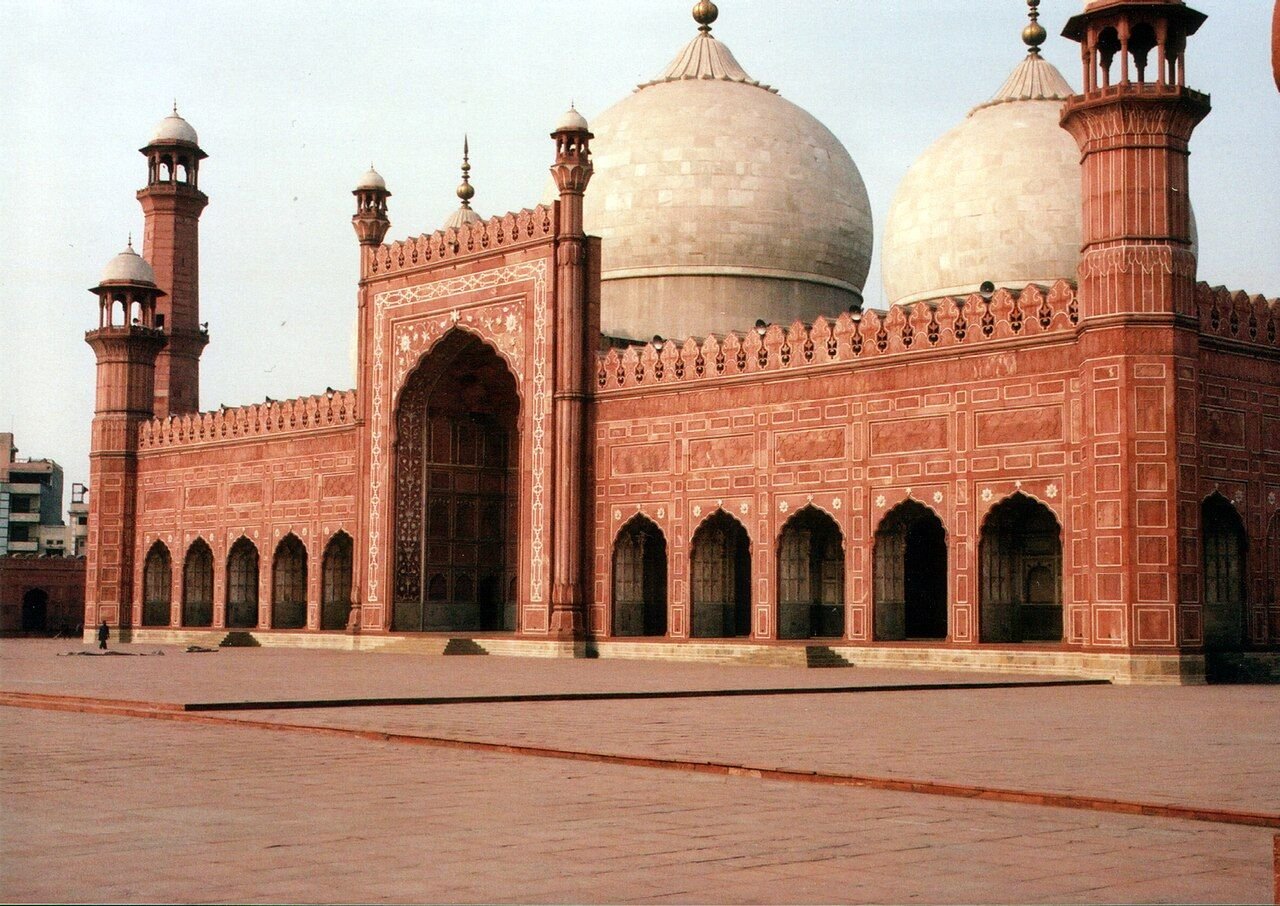
What does tawhid mean?
Tawhid means declaring and believing that Allah is one. The word comes from the Arabic root for one and linguistically means to make something one; a SeekersGuidance answer defines the religious meaning as declaring Allah’s oneness in His essence, attributes and actions and singling Him out in worship. Britannica notes that the Qur’an stresses above all Allah’s singularity and sole sovereignty, the doctrine indicated by the term tawhid.
Tawhid is the first half of the Shahada, la ilaha illallah. When the Prophet sent Mu’adh to Yemen, Sahih al-Bukhari 7372 records that the first thing he was to invite people to was the tawhid of Allah, before prayer and zakat. The Qur’an presents it as the message of every prophet: 21:25 states that no messenger was sent without being told that there is no god but Allah, so worship Him.
Who is Allah according to the Qur’an?
In the Qur’an, Allah is the one God: the Creator of everything, living and eternal, all-knowing and all-merciful, and unlike anything He created. Surah Al-Ikhlas (112:1-4) says: He is Allah, the One; Allah, on whom all depend; He neither begets nor was begotten; and there is none comparable to Him. Sahih al-Bukhari 5013 reports the Prophet saying that this short chapter is equal to a third of the Qur’an.
Other passages fill in the picture. Qur’an 2:163 declares one God with no god but Him, the Beneficent, the Merciful. Ayat al-Kursi (2:255) describes Him as the Living, the Eternal, whom neither slumber nor sleep overtakes, who knows what is before and behind His creatures while they grasp nothing of His knowledge except what He wills, and who is never wearied by preserving the heavens and the earth. Qur’an 42:11 adds that nothing is like Him, yet He is the Hearer, the Seer.
| Passage | What it teaches about Allah |
|---|---|
| 112:1-4 | One, the one on whom all depend, neither begetting nor begotten, with none comparable to Him |
| 2:163 | One God with no other, the Beneficent, the Merciful |
| 2:255 | Living and eternal, never sleeping, all-knowing, sovereign over the heavens and the earth |
| 42:11 | Nothing is like Him, and He hears and sees all things |
| 59:22-24 | Knower of the unseen and the seen, the Holy, Peace, the Creator and Fashioner, whose names are the most beautiful |
What is shirk, and why is it the opposite of tawhid?
Shirk means associating partners with Allah: worshipping something besides Him, or ascribing to a created thing what belongs only to Him. In Qur’an 31:13, Luqman tells his son not to ascribe partners to Allah because doing so is a tremendous wrong, and 4:48 states that Allah does not forgive partners being ascribed to Him, while He forgives other sins to whom He wills.
Sahih al-Bukhari 2856 describes Allah’s right over His servants as being worshipped alone, with nothing associated with Him. The SeekersGuidance answer on tawhid lists what contradicts it: believing in other gods, believing that Allah is made of parts, that anything shares His attributes, or that any creature brings about effects independently of His will. Qur’an 39:53 keeps the door of repentance open for everyone, and this guide describes beliefs rather than judging people; questions about a particular practice belong with a qualified teacher.
How have scholars explained the kinds of tawhid?
Scholars have used different teaching frameworks to explain the same belief. A widely taught one divides tawhid into three: lordship (rububiyyah), believing that Allah alone creates, owns and governs everything; worship (uluhiyyah), directing all worship to Allah alone; and names and attributes (al-asma wa al-sifat), affirming Allah’s names and attributes while believing that nothing is like Him in them. IslamQA presents this division, and in a separate answer explains that such categories exist to make the subject easier to understand, noting that some scholars use two or four.
Ash’ari and Maturidi theologians, whose two schools SeekersGuidance describes as valid to follow, teach the same core belief with a different framework and emphasis. In the answer by Shaykh Yusuf Weltch, Allah is one in His essence, which is not made of parts; one in His attributes, which no creature shares; and one in His acts, since everything happens by His knowledge, will and power; and He alone is worshipped. Both frameworks rest on verses such as 112:1-4 and 42:11. For a beginner, it is better to study one recognised creed carefully with a teacher than to start with the debates between approaches.
| Framework | Its parts | What it highlights |
|---|---|---|
| Threefold classification | Lordship; worship; names and attributes | That recognising Allah as Lord must be joined by directing all worship to Him alone |
| Ash’ari and Maturidi account | Oneness in essence; in attributes; in acts; with worship for Allah alone | That Allah is not composed of parts, shares no attribute with creation and is the sole creator of every act |
What are the beautiful names of Allah?
The beautiful names are the names by which Allah describes Himself, and the Qur’an tells believers to call on Him by them. Qur’an 7:180 says that the fairest names belong to Allah, and 59:24, after a sequence of names, says: His are the most beautiful names. Sahih al-Bukhari 2736 reports that Allah has ninety-nine names and whoever knows them will enter Paradise, and Sahih Muslim 2677a speaks of committing them to memory.
The commonly circulated list of ninety-nine is found in Jami at-Tirmidhi 3507, which sunnah.com grades da’if (Darussalam), so the examples below are taken directly from Qur’anic verses. Britannica notes that Muslim scholars collected the names from the Qur’an and hadith and that they became objects of devoted recitation and meditation.
| Name | Meaning | Where it appears |
|---|---|---|
| Ar-Rahman and Ar-Rahim | The Beneficent, the Merciful | 2:163 |
| Al-Hayy and Al-Qayyum | The Living, the Eternal who sustains all things | 2:255 |
| As-Samad | The one on whom all depend | 112:2 |
| Al-Malik, Al-Quddus, As-Salam | The Sovereign, the Holy, Peace | 59:23 |
| Al-Khaliq, Al-Bari, Al-Musawwir | The Creator, the Originator who shapes out of nothing, the Fashioner | 59:24 |
| As-Sami and Al-Basir | The Hearer, the Seer | 42:11 |
How does tawhid shape daily life?
Belief in one God is lived out as sincerity, trust, gratitude and prayer. Sahih al-Bukhari 1 teaches that deeds are judged by their intentions, so worship is done for Allah alone rather than to be seen. Every prayer repeats Qur’an 1:5 in Surah Al-Fatihah: You alone we worship, and You alone we ask for help.
Trust in Allah (tawakkul) means relying on Him while taking the means He has provided. Qur’an 65:3 promises that whoever puts their trust in Allah, He will suffice them, and Jami at-Tirmidhi 2516, graded hasan (Darussalam), teaches: when you ask, ask Allah, and when you seek help, seek it from Allah. When a man asked whether to tie his camel or leave it loose and trust Allah, Jami at-Tirmidhi 2517, also graded hasan, records the reply: tie it and rely on Allah.
Gratitude and patience follow from the same belief. Sahih Muslim 2999 describes the believer thanking Allah in good times and being patient in hardship, with good in both. Supplication is itself worship, as Sunan Abi Dawud 1479, graded sahih by al-Albani, reports, citing 40:60: call on Me and I will answer you.
- Begin actions with a sincere intention for Allah.
- Call on Allah directly, in any language and at any time.
- Thank Allah for blessings and turn to Him with patience in difficulty.
- Take practical means while trusting that outcomes are in His hands.
Is Allah the same God that Jews and Christians worship?
Allah is the Arabic word for God. Britannica explains that it is the standard Arabic word for God and is used by Arabic-speaking Christians and Jews as well as by Muslims, and that the God of the Qur’an proclaims Himself to be the same God who communicated with humanity through earlier messengers, including the Jewish and Christian prophets.
The Qur’an addresses the People of the Scripture directly: 29:46 asks Muslims to discuss matters with them in the best way and to say that our God and your God is one, and 3:64 invites agreement to worship none but Allah and ascribe no partner to Him. Muslims hold that God is strictly one, neither begetting nor begotten, as 112:3 states, and this is where Muslim belief differs from some other theologies; the Qur’an’s own instruction is to discuss such differences courteously.
Quran passages in this guide
Read each complete verse below in Arabic and the identified English interpretation. Follow the context link before drawing conclusions from an isolated verse.
Al-Ikhlaas 112:1. Allah is One.
بِسْمِ ٱللَّهِ ٱلرَّحْمَـٰنِ ٱلرَّحِيمِ قُلْ هُوَ ٱللَّهُ أَحَدٌ ١
Say, “He is Allah, [who is] One,
Translation: Saheeh International · Read in context
Al-Ikhlaas 112:2. Allah, on whom all depend.
ٱللَّهُ ٱلصَّمَدُ ٢
Allah, the Eternal Refuge.
Translation: Saheeh International · Read in context
Al-Ikhlaas 112:3. He neither begets nor was begotten.
لَمْ يَلِدْ وَلَمْ يُولَدْ ٣
He neither begets nor is born,
Translation: Saheeh International · Read in context
Al-Ikhlaas 112:4. None is comparable to Him.
وَلَمْ يَكُن لَّهُۥ كُفُوًا أَحَدٌۢ ٤
Nor is there to Him any equivalent.”
Translation: Saheeh International · Read in context
Al-Baqara 2:163. One God with no god but Him, the Beneficent, the Merciful.
وَإِلَـٰهُكُمْ إِلَـٰهٌ وَٰحِدٌ ۖ لَّآ إِلَـٰهَ إِلَّا هُوَ ٱلرَّحْمَـٰنُ ٱلرَّحِيمُ ١٦٣
And your god is one God. There is no deity [worthy of worship] except Him, the Entirely Merciful, the Especially Merciful.
Translation: Saheeh International · Read in context
Al-Baqara 2:255. Ayat al-Kursi: the Living, the Eternal, whose knowledge and sovereignty encompass all things.
ٱللَّهُ لَآ إِلَـٰهَ إِلَّا هُوَ ٱلْحَىُّ ٱلْقَيُّومُ ۚ لَا تَأْخُذُهُۥ سِنَةٌ وَلَا نَوْمٌ ۚ لَّهُۥ مَا فِى ٱلسَّمَـٰوَٰتِ وَمَا فِى ٱلْأَرْضِ ۗ مَن ذَا ٱلَّذِى يَشْفَعُ عِندَهُۥٓ إِلَّا بِإِذْنِهِۦ ۚ يَعْلَمُ مَا بَيْنَ أَيْدِيهِمْ وَمَا خَلْفَهُمْ ۖ وَلَا يُحِيطُونَ بِشَىْءٍ مِّنْ عِلْمِهِۦٓ إِلَّا بِمَا شَآءَ ۚ وَسِعَ كُرْسِيُّهُ ٱلسَّمَـٰوَٰتِ وَٱلْأَرْضَ ۖ وَلَا يَـُٔودُهُۥ حِفْظُهُمَا ۚ وَهُوَ ٱلْعَلِىُّ ٱلْعَظِيمُ ٢٥٥
Allah - there is no deity except Him, the Ever-Living, the Sustainer of [all] existence. Neither drowsiness overtakes Him nor sleep. To Him belongs whatever is in the heavens and whatever is on the earth. Who is it that can intercede with Him except by His permission? He knows what is [presently] before them and what will be after them, and they encompass not a thing of His knowledge except for what He wills. His Kursi extends over the heavens and the earth, and their preservation tires Him not. And He is the Most High, the Most Great.
Translation: Saheeh International · Read in context
Ash-Shura 42:11. Nothing is like Him, and He is the Hearer, the Seer.
فَاطِرُ ٱلسَّمَـٰوَٰتِ وَٱلْأَرْضِ ۚ جَعَلَ لَكُم مِّنْ أَنفُسِكُمْ أَزْوَٰجًا وَمِنَ ٱلْأَنْعَـٰمِ أَزْوَٰجًا ۖ يَذْرَؤُكُمْ فِيهِ ۚ لَيْسَ كَمِثْلِهِۦ شَىْءٌ ۖ وَهُوَ ٱلسَّمِيعُ ٱلْبَصِيرُ ١١
[He is] Creator of the heavens and the earth. He has made for you from yourselves, mates, and among the cattle, mates; He multiplies you thereby. There is nothing like unto Him, and He is the Hearing, the Seeing.
Translation: Saheeh International · Read in context
Al-Hashr 59:24. The Creator, the Fashioner, to whom belong the most beautiful names.
هُوَ ٱللَّهُ ٱلْخَـٰلِقُ ٱلْبَارِئُ ٱلْمُصَوِّرُ ۖ لَهُ ٱلْأَسْمَآءُ ٱلْحُسْنَىٰ ۚ يُسَبِّحُ لَهُۥ مَا فِى ٱلسَّمَـٰوَٰتِ وَٱلْأَرْضِ ۖ وَهُوَ ٱلْعَزِيزُ ٱلْحَكِيمُ ٢٤
He is Allah, the Creator, the Inventor, the Fashioner; to Him belong the best names. Whatever is in the heavens and earth is exalting Him. And He is the Exalted in Might, the Wise.
Translation: Saheeh International · Read in context
Al-A’raaf 7:180. The fairest names belong to Allah, so call on Him by them.
وَلِلَّهِ ٱلْأَسْمَآءُ ٱلْحُسْنَىٰ فَٱدْعُوهُ بِهَا ۖ وَذَرُوا۟ ٱلَّذِينَ يُلْحِدُونَ فِىٓ أَسْمَـٰٓئِهِۦ ۚ سَيُجْزَوْنَ مَا كَانُوا۟ يَعْمَلُونَ ١٨٠
And to Allah belong the best names, so invoke Him by them. And leave [the company of] those who practice deviation concerning His names. They will be recompensed for what they have been doing.
Translation: Saheeh International · Read in context
Luqman 31:13. Luqman’s counsel that ascribing partners to Allah is a tremendous wrong.
وَإِذْ قَالَ لُقْمَـٰنُ لِٱبْنِهِۦ وَهُوَ يَعِظُهُۥ يَـٰبُنَىَّ لَا تُشْرِكْ بِٱللَّهِ ۖ إِنَّ ٱلشِّرْكَ لَظُلْمٌ عَظِيمٌ ١٣
And [mention, O Muhammad], when Luqman said to his son while he was instructing him, “O my son, do not associate [anything] with Allah. Indeed, association [with him] is great injustice.”
Translation: Saheeh International · Read in context
Questions readers often ask
Can Allah be pictured or depicted?
No. Qur’an 42:11 states that nothing is like Him, and 6:103 says that vision does not comprehend Him while He comprehends all vision. Muslims therefore do not make images of Allah and come to know Him through His names, attributes and signs rather than through any imagined form.
Do Muslims worship the Prophet Muhammad?
No. In Qur’an 18:110 the Prophet is told to say that he is only a human being like others, to whom it is revealed that your God is one God. Sahih al-Bukhari 3445 records him asking people not to exaggerate in praising him and to call him the slave of Allah and His Messenger. Muslims love and follow him, but worship is for Allah alone.
Does Allah have exactly ninety-nine names?
Sahih al-Bukhari 2736 speaks of ninety-nine names whose knowledge leads to Paradise, but that does not limit Allah’s perfection. The SeekersGuidance answer on Allah’s attributes explains that His qualities and attributes of perfection are innumerable and inexhaustible, while some are treated as core attributes to which the others relate.
What is the difference between tawhid and the Shahada?
The Shahada is the spoken testimony; tawhid is the belief its first half affirms. IslamQA explains that tawhid in the Qur’an and Sunnah means affirming the meaning of the testimony that there is no god but Allah and that Muhammad is His Messenger, which is the essence of Islam.
Does trusting Allah mean I should not plan or take precautions?
No. Jami at-Tirmidhi 2517, graded hasan (Darussalam) on sunnah.com, records the Prophet telling a man to tie his camel and then rely on Allah. Planning and precautions are part of acting responsibly, while the outcome is left to Allah, as Qur’an 65:3 describes.
How can I study tawhid in more depth?
Study a recognised creed text with a qualified teacher, whichever framework your teacher uses. IslamQA notes that the categories scholars use are there to make the subject easier, and the SeekersGuidance answers cited here point readers to further articles and structured courses on belief.
Sources
-
IslamQA.org (SeekersGuidance): What Does the Term Tawhid Mean? Scholarly guidance
Shaykh Yusuf Weltch: the linguistic meaning, and oneness in essence, attributes and actions, citing commentaries on Jawharat al-Tawhid.
-
SeekersGuidance: What Are the Various Aspects of Divine Oneness (Tawhid)? Scholarly guidance
Shaykh Yusuf Weltch: Allah’s attributes of perfection are innumerable, with core attributes to which others relate.
-
SeekersGuidance: Which School of Thought Should I Follow in ’Aqida? Scholarly guidance
Ustadha Shazia Ahmad: the Ash’ari and Maturidi schools of creed are both valid to follow, with links for further study.
-
IslamQA: What Is the Meaning of Tawhid? Scholarly guidance
Presents the threefold division into lordship, divinity (worship) and names and attributes, and links tawhid to the meaning of the testimony.
-
IslamQA: Dividing Tawhid into Categories Scholarly guidance
Explains that categories make the subject easier to understand and that some scholars use two, three or four.
-
Encyclopaedia Britannica: Allah Reference work
Allah as the standard Arabic word for God used by Arabic-speaking Christians and Jews as well as Muslims; tawhid and the collected names.
-
Sahih al-Bukhari 7372 Primary text
Mu’adh told to make the tawhid of Allah the first thing he invites people to.
-
Qur’an 21:25 Primary text
Every messenger was inspired that there is no god but Allah, so worship Him; rendered from the verified local corpus.
-
Qur’an 112:1-4 Primary text
Surah Al-Ikhlas on Allah’s oneness.
-
Sahih al-Bukhari 5013 Primary text
Surah Al-Ikhlas described as equal to a third of the Qur’an.
-
Qur’an 2:163 Primary text
One God with no god but Him, the Beneficent, the Merciful.
-
Qur’an 2:255 Primary text
Ayat al-Kursi.
-
Qur’an 42:11 Primary text
Nothing is like Him, and He is the Hearer, the Seer.
-
Qur’an 59:22-24 Primary text
A sequence of Allah’s names ending with: His are the most beautiful names.
-
Qur’an 31:13 Primary text
Ascribing partners to Allah is a tremendous wrong.
-
Qur’an 4:48 Primary text
Allah does not forgive partners being ascribed to Him and forgives other sins to whom He wills.
-
Sahih al-Bukhari 2856 Primary text
Allah’s right over His servants is that they worship Him alone and associate nothing with Him.
-
Qur’an 39:53 Primary text
Do not despair of the mercy of Allah, who forgives all sins.
-
Qur’an 7:180 Primary text
The fairest names belong to Allah; call on Him by them.
-
Sahih al-Bukhari 2736 Primary text
Allah has ninety-nine names, and whoever knows them will enter Paradise.
-
Sahih Muslim 2677a Primary text
Ninety-nine names; whoever commits them to memory enters Paradise.
-
Jami at-Tirmidhi 3507 Primary text
The report containing the commonly circulated list of ninety-nine names; graded da’if (Darussalam) on the page.
-
Sahih al-Bukhari 1 Primary text
The reward of deeds depends on intentions.
-
Qur’an 1:5 Primary text
You alone we worship; You alone we ask for help.
-
Qur’an 65:3 Primary text
Whoever puts their trust in Allah, He will suffice them.
-
Jami at-Tirmidhi 2516 Primary text
When you ask, ask Allah; when you seek help, seek Allah’s help; graded hasan (Darussalam) on the page.
-
Jami at-Tirmidhi 2517 Primary text
Tie it and rely upon Allah; graded hasan (Darussalam) on the page.
-
Sahih Muslim 2999 Primary text
The believer’s affair is all good: thankfulness in ease and patience in hardship.
-
Sunan Abi Dawud 1479 Primary text
Supplication is itself worship, with the recitation of 40:60; graded sahih by al-Albani on the page.
-
Qur’an 29:46 Primary text
Discussing with the People of the Scripture in the best way: our God and your God is one.
-
Qur’an 3:64 Primary text
An invitation to agree to worship none but Allah and ascribe no partner to Him.
-
Qur’an 6:103 Primary text
Vision does not comprehend Him, but He comprehends all vision.
-
Qur’an 18:110 Primary text
The Prophet is told to say that he is a human being to whom it is revealed that your God is one God.
-
Sahih al-Bukhari 3445 Primary text
Do not exaggerate in praising me; call me the slave of Allah and His Messenger.
Qur’an Arabic: Tanzil (CC BY 3.0). English: Saheeh International (via Tanzil).
Pass it on
If this guide helped you, share it with someone it could help too.